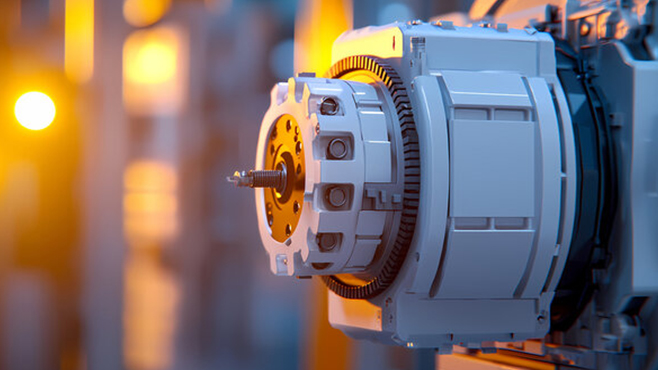
The oil seal is a crucial "sealing guardian" in the motor transmission system. Its core function is to prevent the leakage of lubricating oil and to guard against the intrusion of external impurities such as dust and water. Its performance directly determines the operational stability, efficiency and lifespan of the motor. Moreover, it is the key to avoiding motor shutdown failures caused by sealing failure.
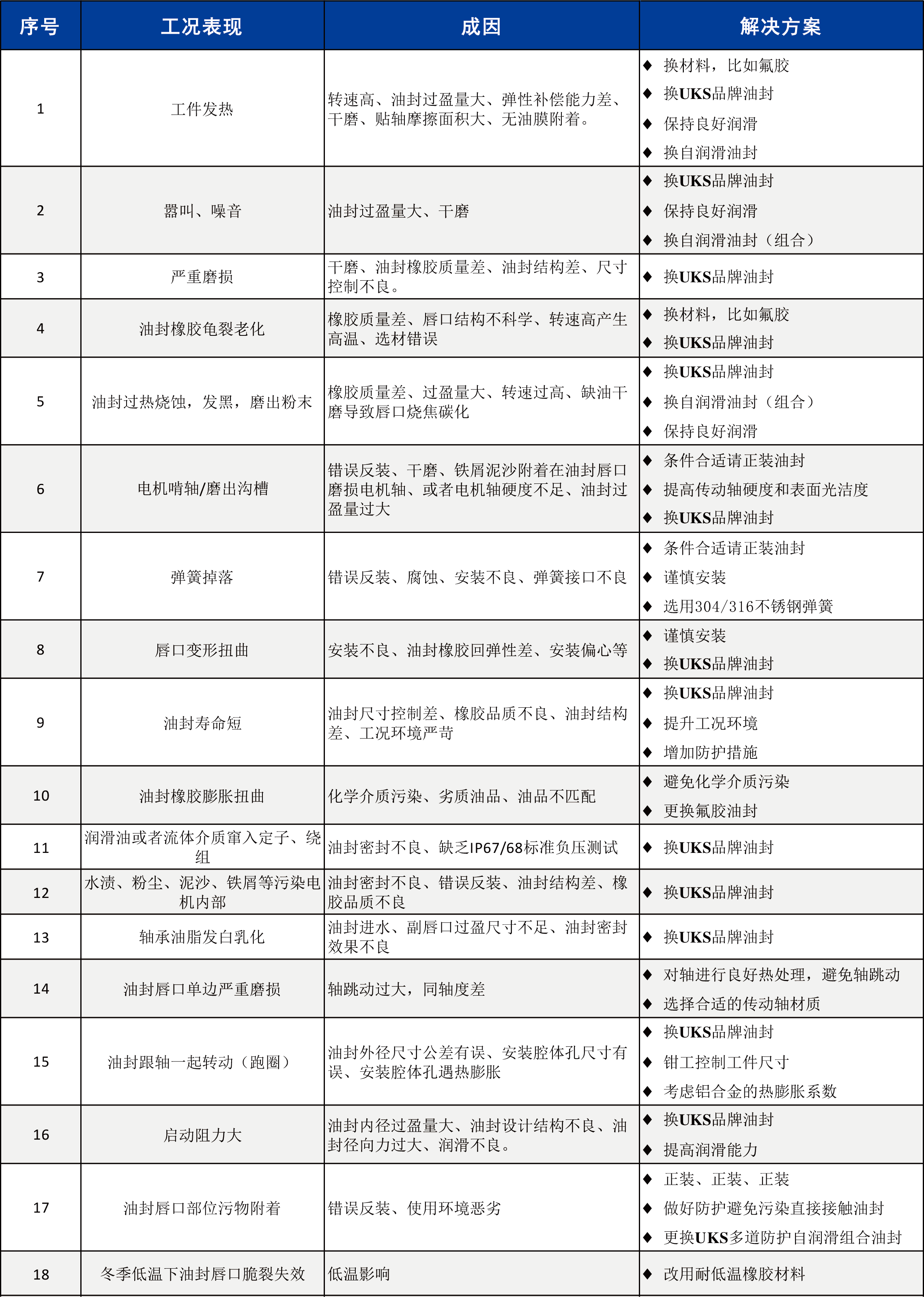
In industrial production, new energy equipment, and construction machinery scenarios, motor seals often encounter problems such as overheating, abnormal noise, abnormal start-up/run resistance, poor durability, rubber powdering, grooving on the shaft, corrosion of the seal spring, and hardened lip. These issues can lead to increased motor noise and higher energy consumption in the mild cases, or cause lubricant loss, intensified component wear, and even motor shutdown in the severe cases, thereby affecting production progress and increasing maintenance costs. Today, to address these major core pain points, we will explain the causes in plain language and present them in tabular form, along with practical solutions that can be directly implemented.
☆ Performance of Motor Gasket and Transmission Lubrication System Table 1-1
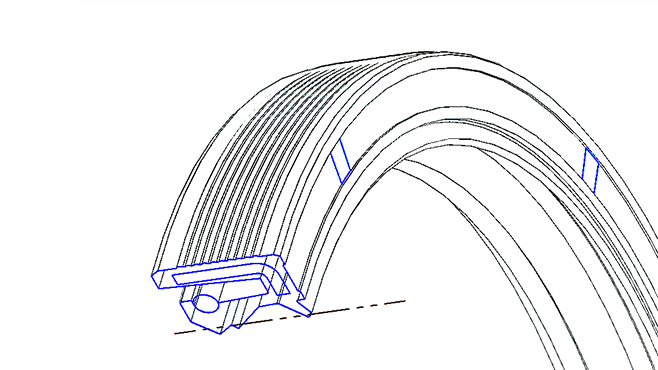
The scientific structure of the skeleton oil seal
The scientific structure of the oil seal determines the fit and sealing effect between the oil seal and the transmission system. The permanent deformation of the oil seal rubber and the self-tightening spring generate dual radial forces on the shaft, achieving static zero-gap sealing during equipment shutdown through interference fit.By means of radial pressure, it adaptively compensates for the dynamic gap caused by shaft deflection and equipment vibration, thereby ensuring long-term sealing.
At the same time, the oil seal constructs a complete dynamic sealing system through a physical mechanism: it relies on the fluid dynamic pressure oil film for lubrication and to reduce the direct contact between the lip and the shaft.It also uses the lip angle to cut off the oil film as much as possible, preventing leakage while also achieving dynamic anti-leakage and interface lubrication. This significantly reduces component wear.In this regard, the flexible part design of UKS and the expansion of the oil storage groove for self-lubrication concepts have taken bold steps in practice.
The positive effect of adequate lubrication on the long-term use of components
The oil seal constructs a complete dynamic sealing system through three major physical mechanisms. Among them, the fluid dynamic pressure oil film is the key to extending the lifespan of the components - after the equipment is fully lubricated, an uniform and continuous oil film is formed between the sealing lip and the shaft surface, converting the direct dry friction between rubber and metal into fluid lubrication friction.
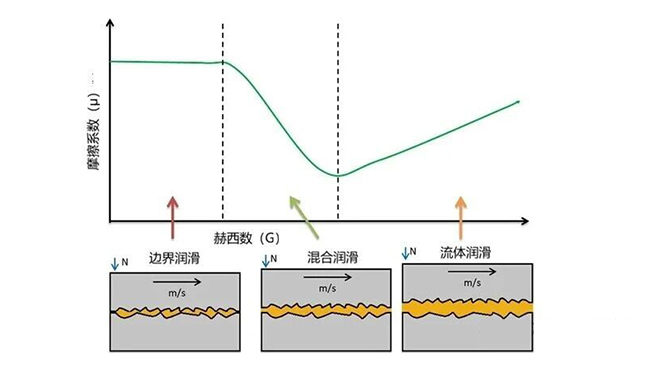
Proper lubrication can significantly reduce the friction coefficient, prevent the sealing lip from overheating, aging, cracking and abnormal wear, delay rubber fatigue failure, and protect the surface of the rotating shaft from being scratched or pulled. It can also effectively reduce the wear and loss of the entire machine.At the same time, the complete oil film can fill the microscopic pores of the interface, enhance the dynamic anti-seepage ability, prevent external impurities from invading, and improve the overall ability to resist pollution, withstand high and low temperatures, and cope with complex working conditions.
Regarding the issues of interference fit and radial clamping force
The interference amount is the elastic deformation after the lip of the oil seal is assembled, which forms the basis of the sealing pressure; the radial clamping force is the pressing force exerted by the lip of the oil seal on the shaft, which is composed of the rubber interference elastic force, the waist elastic force, and the spring force, and is the core for ensuring dynamic sealing. Among them, the spring force is the main source of pressure. The two have a nearly proportional relationship within the elastic deformation range of the rubber: the greater the interference amount, the stronger the radial clamping force; however, beyond the elastic threshold, plastic deformation is likely to occur, and the increase is no longer linear.
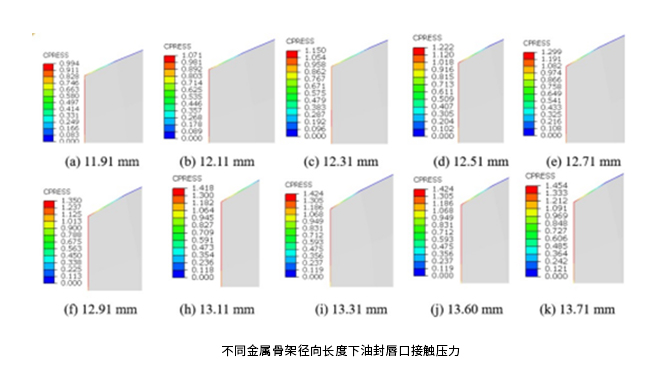
Imbalance in parameter matching will directly lead to a decline in sealing effect or leakage: when the interference and radial force are insufficient, the oil film becomes unstable and is unable to counteract the shaft vibration and assembly errors, causing the equipment to frequently experience oil leakage and oil seepage faults; when the parameters are too large, the lip friction intensifies and overheats, which will cause the rubber to age and crack, the lip to be burned, and at the same time wear the shaft, leading to shaft seizure and equipment stalling problems. Similar studies have been conducted in Germany and Japan. UKS, relying on its own research capabilities, has achieved radial force testing and the formulation of basic data, forming its own radial force design standard. Currently, we believe that the definition of Radial Force = 0.14/mm is more in line with the threshold between long-term use and safe sealing.
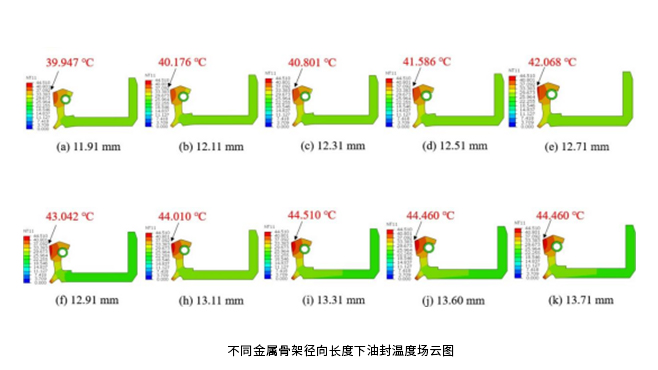
In the actual design and assembly process, the principle of "fixing the radial force and reverse interference fit" must be followed. This should be based on the rotational speed, temperature, load of the equipment, as well as the material and structural adjustment parameters of the oil seal. At the same time, the surface roughness of the shaft, shaft eccentricity and runout tolerance must be strictly controlled. A balance should be struck between preventing leakage and reducing wear to ensure the stable operation of the oil seal, extend its service life and reduce equipment operation and maintenance failures.
High startup/run resistance
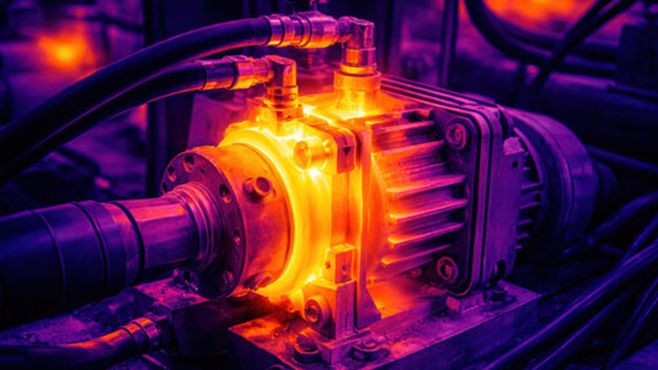
The excessive resistance during startup and operation is a frequent fault in the assembly and maintenance of the motor. It can easily cause the equipment to be stuck during rotation, high starting current, overheating and abnormal noise of the oil seal, and oil leakage from the seal, thereby shortening the service life of the equipment. This problem is more evident in the motor industry. This fault is mainly caused by five factors: incorrect selection of oil seal material and structure, non-standard assembly process, poor lubrication conditions, excessive axial force of the oil seal lip, and excessive interference fit of the inner diameter of the oil seal.
UKS conducted in-depth research on the motor industry, conducted numerous visits and technical discussions on motor conditions, and disassembled a large number of Japanese servo motors. It discovered several core issues. First, precise selection; second, scientific oil seal design structure; third, special working conditions of the motor require special solutions from oil seal enterprises. By jointly addressing issues such as size, design, materials, and structure, it completely resolves related faults and ensures the long-term stable operation of the motor.
UKS Triple Lip Combined Oil Seal Brief Description
It is formed by pressing together two precisely machined oil seal components.
Linear sealing + vectorized mold: The lip is thin and stable, with a small contact area and fast heat dissipation.
Special adhesive: Commonly used for reducer and motor models is fluororubber. The temperature resistance range is -20℃ to 230℃. It does not soften or harden at high temperatures.
Integrated spring + metal frame: Uniform elasticity, no lip deviation, more stable at high speed and lower noise.
Three-lip force distribution: Main lip sealing, auxiliary lip load reduction, dust-proof lip effectively isolates impurities, disperses friction heat, and does not cause excessive heat to burn the lip.
Three lip openings + central oil storage area: The oil film is stable, the machine does not backflow when stopped, the start-up is more smooth, and it is less prone to dry grinding and abnormal noise.
As long as we base ourselves on the actual operating conditions of the motor, properly select the oil seal, ensure its standardized installation, implement scientific lubrication, and conduct regular monitoring, we can achieve a comprehensive balance among the sealing effect, heat dissipation performance, noise reduction effect, drag reduction efficiency and durability. This will enable the motor to operate stably and efficiently, reduce downtime losses, lower maintenance costs, and truly fulfill the core role of the oil seal as the "sealing guardian".
※If you wish to use this content, please attribute the source.